Manantiales / Shibu OnsenSprings / Shibu Onsen温泉・鉱泉 / Shibu Onsen
🌊 Caudal
multiple abundant sources (kakke-nagashi)
📅 Establecido
Nara period (c. 730 CE, attributed to monk Gyoki)
🌊 Flow rate
multiple abundant sources (kakke-nagashi)
📅 Established
Nara period (c. 730 CE, attributed to monk Gyoki)
🌊 流量
multiple abundant sources (kakke-nagashi)
📅 開設
Nara period (c. 730 CE, attributed to monk Gyoki)
Sodium ChlorideSulphurousOnsenRotemburo
✓ Verificado el 2026-07-22
✓ Verified on 2026-07-22
✓ 確認日 2026-07-22
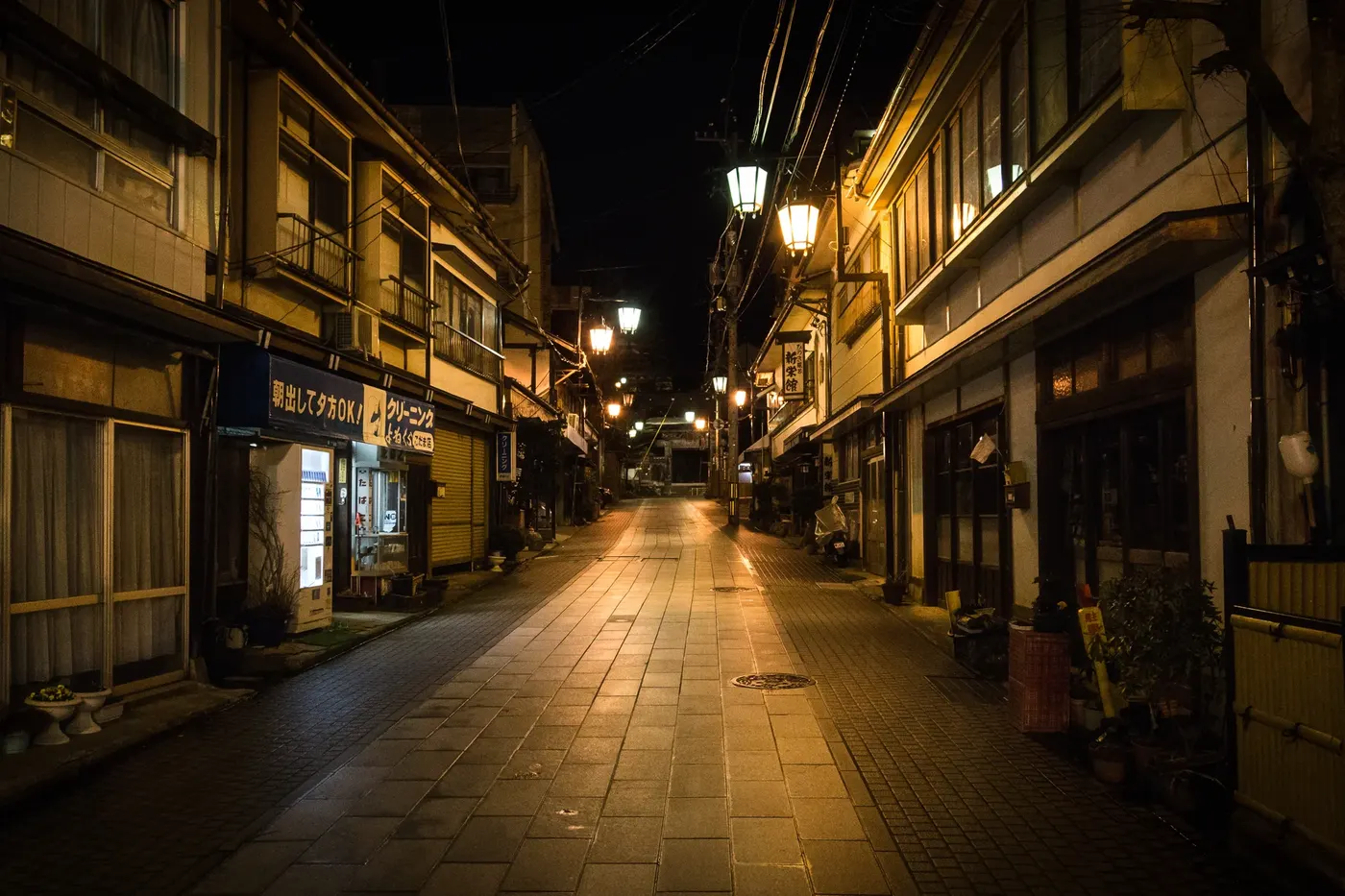
Shibu Onsen se encuentra a orillas del rio Yokoyu, en el norte de la Prefectura de Nagano, a unos 780 metros de altitud. Atribuido al monje budista Gyoki hacia el ano 730 d.C., es uno de los onsen mas antiguos de Japon en uso continuo. Su rasgo mas distintivo son sus nueve casas de banos publicos (soto-yu) que los huespedes de los ryokans recorren con una llave de madera y una toalla de oracion, coleccionando un sello en cada una. Completar el circuito de los nueve banos y lavar la toalla en el templo del cerro es un ritual de purificacion que se practica desde la epoca medieval. La calle principal empedrada, con fachadas de madera y vapor saliendo de las rejillas del suelo, es uno de los ambientes de onsen mas evocadores de Japon.
Shibu Onsen lies along the Yokoyu River at the base of the Shiga Kogen highlands in northern Nagano Prefecture, at an altitude of approximately 780 metres. The spring was attributed to the Buddhist monk Gyoki around 730 CE and has been in continuous use since the Nara period. The defining feature of Shibu is its nine public outdoor bathhouses (soto-yu), each with a distinct name and character, which guests of the town's ryokans are invited to visit on a circuit using a wooden key and a prayer towel. Collecting a stamp at each of the nine baths — known as the 'nine sufferings' — and washing the towel in the final bath at the temple above the town is a ritual said to dispel hardship and bring good fortune. The stone-paved main street, lined with wooden inn facades, lanterns, and steam rising from grates in the road, is one of the most atmospheric onsen streetscapes in Japan. The water emerges in such abundance across the town that, as locals say, hot water strikes immediately upon digging anywhere in Shibu. Each source has a slightly different mineral profile — the collective effect is a layered bathing experience across a single town. The surrounding mountains provide access to the Shiga Kogen ski and hiking area, making Shibu a year-round destination.
Shibu Onsenは日本・Nagano Prefecture, Shinshuに位置する食塩泉・硫黄泉。源泉温度は72℃、標高780mの地に湧出する。泉水は中性に近い(pH約7.2)の泉質、塩化物泉・ナトリウム泉を豊富に含む、総溶解固形物2800 mg/Lが特徴だ。730年頃から利用されてきた。皮膚科治療・リウマチ療法・神経科など多様な温浴療法が行われる。施設では外湯九湯めぐり・かけ流し(源泉かけ流し入浴)・旅館滞在などが体験できる。
Minerales
Minerals
ミネラル
| Sodium | 480 mg/L |
| Chloride | 610 mg/L |
| Sulphur (H2S) | 1.4 mg/L |
| Calcium | 88 mg/L |
| Bicarbonate | 165 mg/L |
| Iron | 3.2 mg/L |
Tratamientos
Treatments
トリートメント
DermatologyRheumatologyNeurologyCirculatoryRelaxation
Técnicas
Techniques
技法
Nine public bathhouses circuit (soto-yu)Kakke-nagashi (free-flow source bathing)Ryokan stayPrayer towel ritual
Patrimonio
Los nueve baños públicos de Shibu Onsen han sido mantenidos colectivamente por los posaderos del pueblo durante siglos, y representan uno de los ejemplos continuos más antiguos de gestión comunitaria de onsen en Japón. El paisaje urbano empedrado está protegido bajo ordenanzas locales de conservación. El cercano Parque de los Monos de Jigokudani, donde los macacos japoneses salvajes se bañan en piscinas geotérmicas, atrae a visitantes internacionales y está conectado geológicamente a la misma zona volcánica que alimenta los manantiales de Shibu.
Heritage
Shibu Onsen's nine public bathhouses have been maintained collectively by the town's innkeepers for centuries, representing one of the oldest continuous examples of communal onsen management in Japan. The stone-paved streetscape is protected under local preservation ordinances. The nearby Jigokudani Monkey Park, where wild Japanese macaques bathe in geothermal pools, draws international visitors and is geologically connected to the same volcanic zone that feeds Shibu's springs.
文化財
渋温泉の九つの外湯は、何世紀にもわたり町の宿の主人たちによって共同で維持されてきており、日本における温泉の共同管理として最も古くから継続する事例のひとつである。石畳の町並みは地元の保存条例により保護されている。近隣の地獄谷野猿公苑では、野生のニホンザルが地熱の池で湯浴みする姿が国際的な来訪者を惹きつけており、地質学的には渋の温泉に水を供給しているのと同じ火山地帯とつながっている。
Cultura
El circuito de nueve baños de Shibu Onsen tiene sus raíces en la numerología budista: los nueve sufrimientos de la existencia humana, cada uno asociado a una casa de baños. Completar el circuito con una toalla de oración, recolectar un sello único en cada parada y concluir con una plegaria en el santuario Yasaka, en lo alto de la colina, es uno de los ejemplos más intactos que perviven en Japón de la cultura de peregrinación por onsen. El ritual es anterior a la industria turística moderna y sigue siendo practicado por los huéspedes que se alojan en los ryokanes tradicionales del pueblo.
Culture
The nine-bath circuit of Shibu Onsen is rooted in Buddhist numerology — the nine sufferings of human existence, each associated with one bathhouse. Completing the circuit with a prayer towel, collecting a unique stamp at each stop, and concluding with a prayer at the hilltop Yasaka Shrine is among the most intact examples of onsen pilgrimage culture surviving in Japan. The ritual predates the modern tourism industry and continues to be observed by guests staying in the town's traditional ryokans.
文化
渋温泉の九湯めぐりは仏教の数理観に根ざしており、人間存在の九つの苦しみそれぞれがひとつの外湯に対応している。祈願手ぬぐいを手に巡り、各所で独自のスタンプを集め、丘の上にある八坂神社での祈りで締めくくるこの巡礼は、日本に現存する温泉巡礼文化の中でも最も原形をとどめた例のひとつである。この儀礼は近代の観光産業よりも古く、町の伝統的な旅館に泊まる客たちによって今も守られ続けている。
Sostenibilidad
Shibu Onsen funciona bajo un estricto modelo de huéspedes residentes: los nueve baños públicos solo son accesibles para quienes se alojan en los ryokanes del pueblo, mediante una llave de madera entregada al registrarse. Este sistema limita el volumen de visitantes, reduce la presión sobre las casas de baños y preserva el carácter comunitario de los manantiales. El principio del kakke-nagashi —el agua fluye directamente desde la fuente, sin recalentamiento ni recirculación— significa que cada baño utiliza únicamente agua geotérmica fresca, eliminando la necesidad de tratamiento químico.
Sustainability
Shibu Onsen operates on a strict resident-guest model: the nine public baths are accessible only to guests staying at ryokans in the town, using a wooden key provided at check-in. This system limits visitor volumes, reduces pressure on the bathhouses, and preserves the communal character of the springs. The kakke-nagashi principle — water flows directly from the source with no reheating or recirculation — means each bath uses only fresh geothermal water, eliminating chemical treatment.
持続可能性
渋温泉は厳格な宿泊客限定方式で運営されている。九つの外湯は、チェックイン時に渡される木製の鍵を使って、町の旅館に宿泊する客だけが利用できる。この仕組みは来訪者数を抑え、外湯への負荷を減らし、温泉の共同体的な性格を保っている。「かけ流し」の原則——源泉から直接湯が注がれ、再加熱も循環利用もされない——により、各湯は新鮮な地熱水のみを使用し、化学的な処理を必要としない。
Otros manantiales en Japan