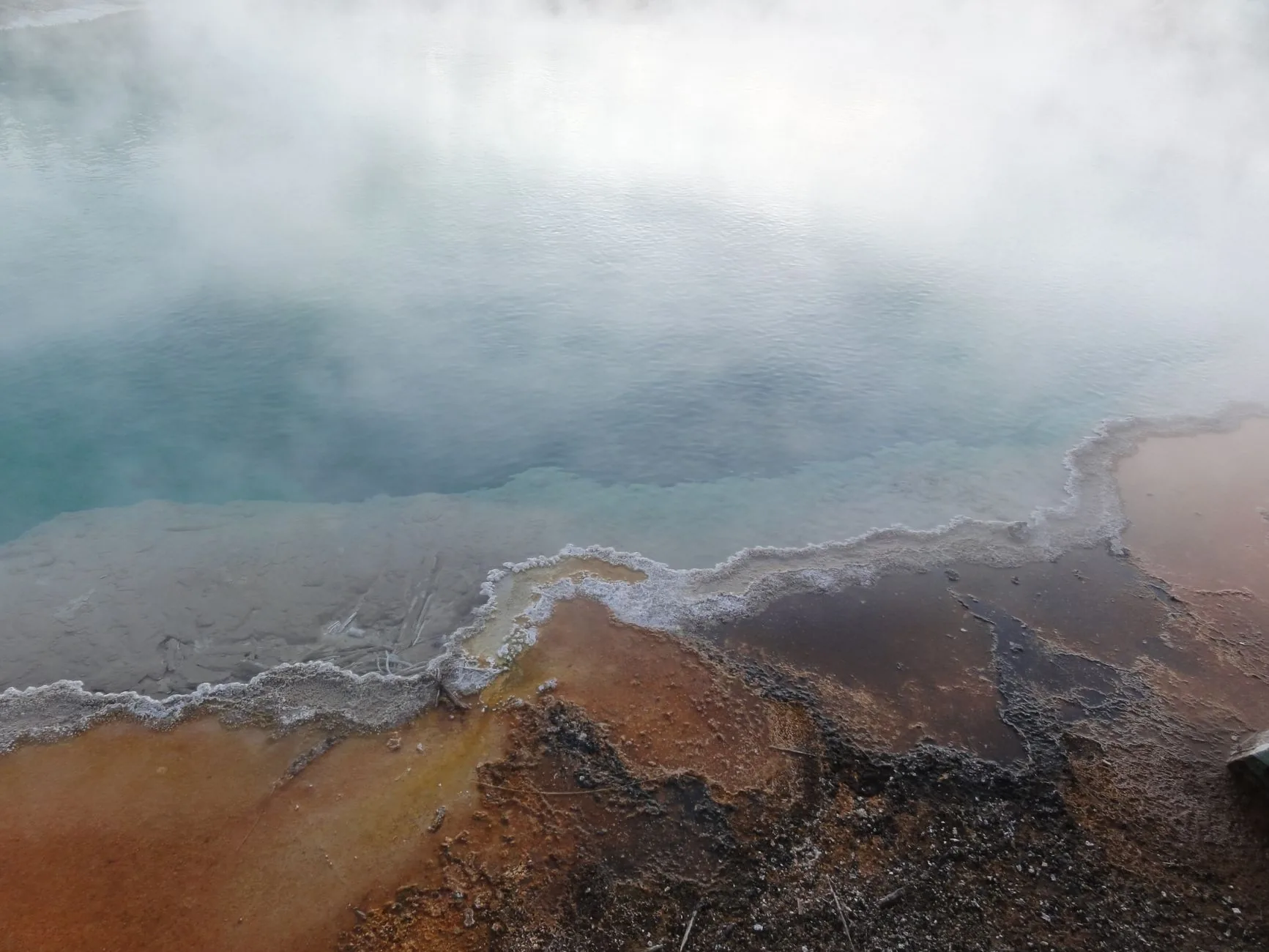
Photo by Prashant Sasnoor on Pexels
🇺🇸 USA · Puna District, Big Island, Hawaii
Photo by Prashant Sasnoor on Pexels
🇺🇸 USA · Puna District, Big Island, Hawaii
♨ Temperature
33°C
⛰ Altitude
0 m
⚗ pH
7.4
💧 TDS
580 mg/L
🌊 Flow rate
—
📅 Established
Geothermally active since Kīlauea rift zone formation
✓ Verified on 2026-07-22
The Puna District on the southern tip of Hawaii's Big Island (Hawaiʻi Island) sits directly above Kīlauea's East Rift Zone — one of the world's most continuously active volcanic systems. Kīlauea has been erupting almost without interruption since 1983, and the resulting lava flows have repeatedly reshaped the Puna coastline, adding new land to the island and creating spectacular lava-ocean entries where molten rock meets the Pacific. The geothermal energy of the rift zone also heats coastal groundwater, creating naturally warm tide pools and submarine springs along the Puna shore. Before the 2018 eruption covered it in lava, Ahalanui Beach Park — a geothermally heated open-air ocean pool maintained at approximately 32°C — was one of Hawaii's most beloved natural swimming spots. The 2018 lava flows dramatically changed the landscape, but the geothermal energy of the East Rift Zone continues to heat coastal waters in the Pohoiki area. The Puna thermal coast represents living geological creation: the newest land on Earth, still warm from the fires that made it.
| Sodium Chloride | 820 mg/L |
| Magnesium | 95 mg/L |
| Sulphate | 42 mg/L |
| Calcium | 48 mg/L |
| Potassium | 22 mg/L |
The Puna District is the most geologically dynamic landscape in the Hawaiian Islands. In Hawaiian cosmology, Kīlauea and the volcanic processes that created the Hawaiian chain are expressions of Pele, the goddess of fire and volcanoes, whose home is traditionally located at Halemaʻumaʻu crater. The thermal waters of the Puna coast — warmed by the same geological force that built the islands — are understood within this cosmology as extensions of Pele's creative power. The 2018 eruption that reshaped the Puna landscape was understood by many Native Hawaiians as Pele reclaiming her land.
The Puna District has long attracted communities drawn to its low land prices, geothermal energy, and raw landscape — artists, farmers, off-grid communities, and native Hawaiian cultural practitioners who value the district's slower pace and proximity to active geological creation. The warm coastal pools that appear wherever geothermal energy heats the coastline — pools that can disappear under new lava flows within days — embody the impermanence and the generosity of the volcanic landscape.
Hawaii's Big Island operates one of the USA's largest geothermal power plants (Puna Geothermal Venture), harnessing the East Rift Zone's energy for electricity generation — a model of renewable energy production from volcanic resources. The geothermal coastal springs are natural phenomena subject to volcanic change; managing them means understanding that they exist within an active geological system that may alter or eliminate access without warning.
Websitewww.lovebigisland.com
AddressPuna District, Hawaiʻi Island, USA