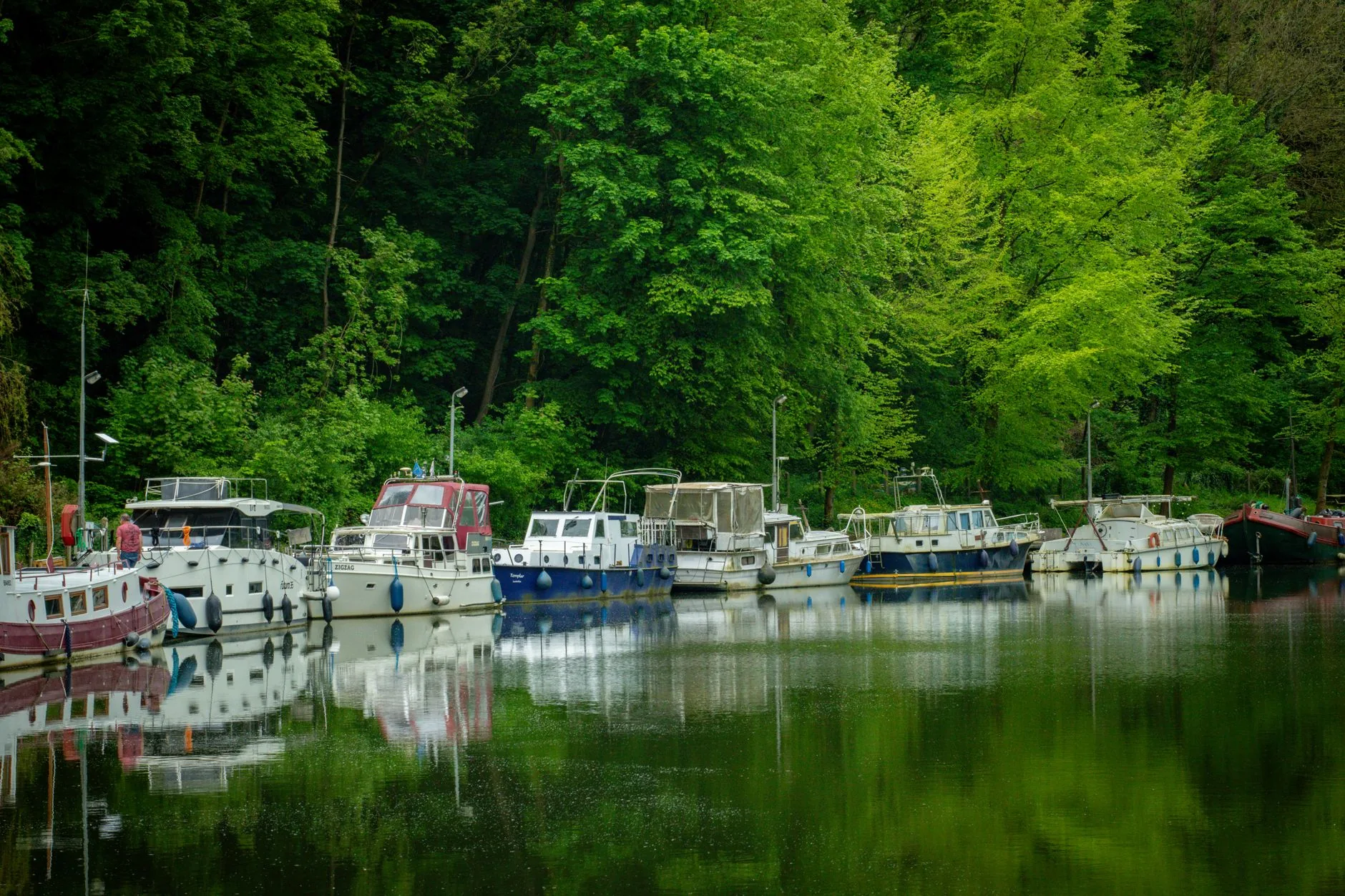
Photo by Martin van Baal, via Wikimedia Commons (CC BY-SA 4.0)
🇧🇪 Belgium · Liège Province, Ardennes
Photo by Martin van Baal, via Wikimedia Commons (CC BY-SA 4.0)
🇧🇪 Belgium · Liège Province, Ardennes
♨ Temperature
11°C
⛰ Altitude
260 m
⚗ pH
5.8
💧 TDS
1200 mg/L
🌊 Flow rate
15 L/s
📅 Established
14th century
✓ Verified on 2026-07-22
The word 'spa' originated here. Spa's pouhons (springs) are cold, naturally carbonated, and rich in iron bicarbonate. Visited by Peter the Great of Russia, King Charles II of England, and Victor Hugo, the springs reached peak fame in the 17th–18th centuries. Today the Grand Pouhon Pierre-le-Grand remains the principal spring, drunk on-site for its diuretic and iron-fortifying properties. Part of the Great Spas of Europe UNESCO World Heritage inscription of 2021.
| Iron (Fe²⁺) | 14 mg/L |
| Bicarbonate | 620 mg/L |
| Carbon Dioxide | 1800 mg/L |
| Magnesium | 38 mg/L |
| Calcium | 142 mg/L |
Spa is the city that gave the world its word: the term 'spa' derives directly from this Belgian town, first documented in the 14th century. Its springs were visited by European royalty and intellectuals — Peter the Great, Victor Hugo, and King Charles II of England among them. The Grand Pouhon Pierre-le-Grand spring house, built in 1880, is an architectural heritage landmark.
Spa established the European template for thermal resort culture — the promenade, the colonnade, the spring house, the casino, and the park — a model replicated across the continent from Bath to Vichy to Karlovy Vary. Its history as a cultural gathering place made it synonymous with elegant leisure, creating a concept that transcends its geographic origin.
Part of the Great Spas of Europe UNESCO World Heritage Site (2021), Spa's springs are managed under a rigorous conservation framework. The cold carbonated springs flow naturally without pumping and require no energy extraction. The Ardennes landscape surrounding Spa is a protected natural park, and the town has committed to sustainable tourism to preserve both the spring ecosystem and built heritage.