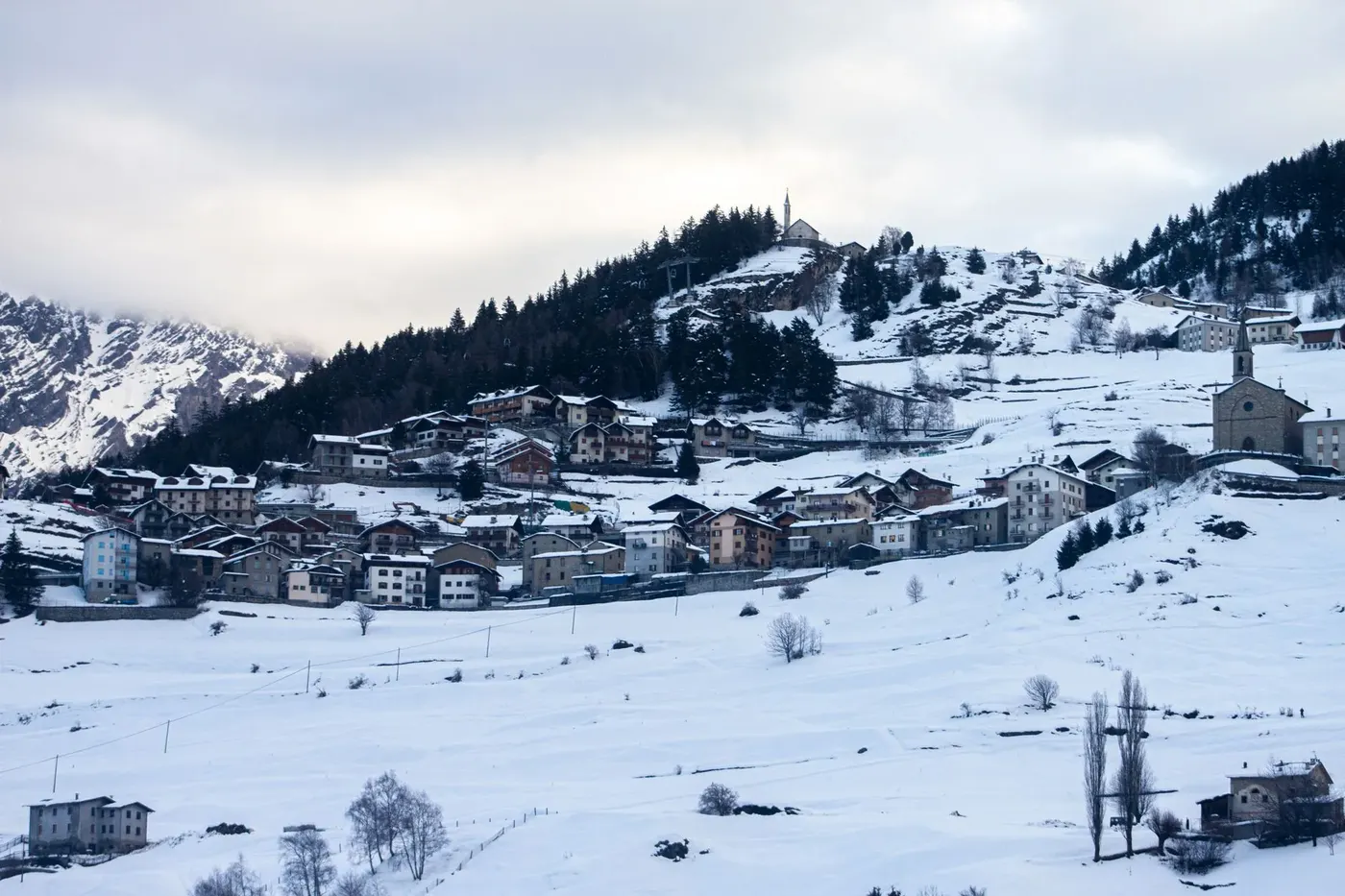
Photo by Federico Arnaboldi on Pexels
🇮🇹 Italy · Valtellina, Lombardy
♨ Temperature
38°C
⛰ Altitude
1225 m
⚗ pH
7.2
💧 TDS
1850 mg/L
🌊 Flow rate
50 L/s
📅 Established
Roman era
✓ Verified on 2026-07-22
Bormio has been a thermal destination since Roman times — written records confirm its use by Roman legionaries and merchants crossing the Alpine passes between Italy and the Danube provinces. Positioned at 1,225 metres in the high Valtellina valley adjacent to the Stelvio National Park, the town sits amid some of the most dramatic Alpine scenery in the Alps. Three distinct spa complexes draw from the same ancient spring system: Bagni Nuovi (1836), Bagni Vecchi (carved into mountain rock, with some pools dating to Roman times), and Qc Terme Bormio. The sulphurous water, at around 38°C, emerges from granite bedrock and has a TDS among the highest of any Italian mountain spring.
| Sulphur | 38 mg/L |
| Sulphate | 620 mg/L |
| Calcium | 380 mg/L |
| Magnesium | 110 mg/L |
Bormio's thermal history is among the longest documented in the Alps. Roman inscriptions found near the springs confirm their use in antiquity, and the medieval town grew as a waystation for Alpine travellers who relied on the thermal baths for recovery. The Bagni Vecchi pools, carved into the mountainside, preserve spaces that have been in continuous use for nearly two thousand years.
Bormio occupies a unique position in Italian spa culture as a mountain thermal town — combining the high-altitude Alpine environment with the deep Italian tradition of terme e cura. The combination of skiing in the Stelvio area and thermal bathing after a day on the slopes has made Bormio one of Italy's great winter wellness destinations.
The Stelvio National Park that surrounds Bormio is one of the largest protected areas in the Alps, and the thermal operators work within park management guidelines. The spring water extraction is managed to maintain historical flow rates and protect the karst aquifer.
Websitewww.bormio.eu
AddressVia Stelvio 4, 23032 Bormio SO, Italy