Manantiales / Yunomine OnsenSprings / Yunomine Onsen温泉・鉱泉 / Yunomine Onsen
📅 Establecido
Traditionally said to have been discovered around 1,800 years ago
📅 Established
Traditionally said to have been discovered around 1,800 years ago
📅 開設
Traditionally said to have been discovered around 1,800 years ago
SulphurousBicarbonatedChlorinated (Sodium Chloride)🏛 Patrimonio de la UNESCO🏛 UNESCO World Heritage🏛 世界遺産
✓ Verificado el 2026-07-28
✓ Verified on 2026-07-28
✓ 確認日 2026-07-28
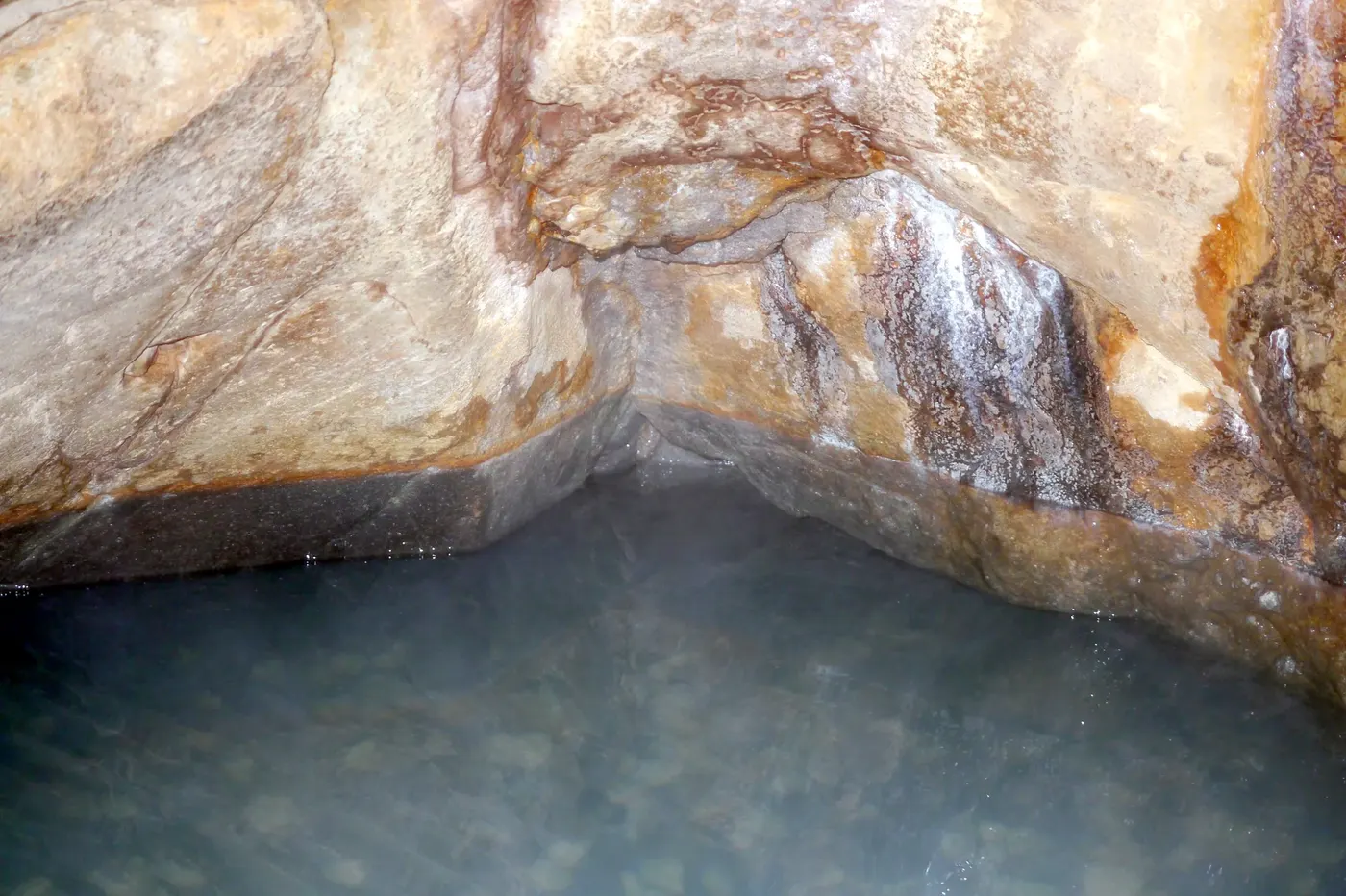
Yunomine Onsen es un pequeño pueblo de aguas termales en Tanabe, prefectura de Wakayama, situado en la ruta de peregrinación Kumano Kodo, que según la tradición fue descubierto hace unos 1.800 años. Durante más de mil años, los peregrinos se han bañado aquí para purificarse antes de rendir culto en el santuario Kumano Hongu Taisha. Su agua de manantial, rica en azufre, sodio y bicarbonato, alcanza los 90°C. El baño Tsuboyu del pueblo, una diminuta caseta de madera con capacidad para una o dos personas, fue inscrito en 2004 como parte del Patrimonio Mundial de la UNESCO 'Lugares Sagrados y Rutas de Peregrinación en la Cordillera de Kii', lo que lo convierte en el único baño termal del mundo con su propia inscripción en el Patrimonio Mundial. Un manantial aparte, Yuzutsu, se utiliza para cocer onsen tamago (huevos cocidos en agua termal).
Yunomine Onsen is a small thermal spring village in Tanabe, Wakayama Prefecture, on the Kumano Kodo pilgrimage route, traditionally said to have been discovered around 1,800 years ago. For over a thousand years, pilgrims have bathed here to purify themselves before worshipping at Kumano Hongu Taisha shrine. Its source water, high in sulfur, sodium, and hydrogen carbonate, reaches 90°C. The village's Tsuboyu bath, a tiny wooden bathhouse fitting one or two people, was inscribed in 2004 as part of the UNESCO World Heritage 'Sacred Sites and Pilgrimage Routes in the Kii Mountain Range,' making it the only hot spring bath in the world with its own UNESCO World Heritage listing. A separate spring, Yuzutsu, is used to boil onsen tamago (hot spring eggs).
湯の峰温泉は、和歌山県田辺市、熊野古道沿いにある小さな温泉郷で、伝承によれば約1800年前に発見されたとされる。千年以上にわたり、参詣者たちは熊野本宮大社に参拝する前にここで身を清めてきた。源泉は硫黄・ナトリウム・炭酸水素を多く含み、泉温は90度に達する。村内の「つぼ湯」は一、二人が入れるほどの小さな木造の湯小屋で、2004年に世界遺産「紀伊山地の霊場と参詣道」の構成資産として登録され、世界で唯一、単独で世界遺産に登録された温泉となっている。別の源泉「湯筒」は温泉卵を茹でるのに使われている。
Técnicas
Techniques
技法
Bathing (Onsen)
Patrimonio
Según la tradición, Yunomine Onsen fue descubierto hace unos 1.800 años, lo que lo convierte en uno de los sistemas termales más antiguos de Japón. Durante más de 1.000 años, los peregrinos del Kumano Kodo se han bañado en sus aguas como ritual de purificación antes de rendir culto en Kumano Hongu Taisha; el baño Tsuboyu fue inscrito como componente del Patrimonio Mundial de la UNESCO en 2004.
Heritage
Yunomine Onsen is traditionally said to have been discovered around 1,800 years ago, making it one of Japan's oldest thermal spring systems. For over 1,000 years, pilgrims on the Kumano Kodo have bathed in its waters as a purification ritual before worshipping at Kumano Hongu Taisha; the Tsuboyu bath was inscribed as a UNESCO World Heritage component in 2004.
文化財
湯の峰温泉は伝承では約1800年前に発見されたとされ、日本最古級の温泉とされる。1000年以上にわたり、熊野古道の参詣者たちは熊野本宮大社への参拝前の清めの儀式としてこの湯に浸かってきた。つぼ湯は2004年に世界遺産の構成資産として登録された。
Cultura
Los peregrinos del Kumano Kodo se bañan tradicionalmente en las aguas de Yunomine como rito de purificación antes de rendir culto en Kumano Hongu Taisha; una leyenda ligada al baño Tsuboyu, en la que un comandante militar con una enfermedad incurable fue sanado por las aguas, se sigue relatando en obras de kabuki y textos religiosos.
Culture
Pilgrims on the Kumano Kodo traditionally bathe in Yunomine's waters as a purification rite before worshipping at Kumano Hongu Taisha; a legend tied to the Tsuboyu bath, in which a military commander with an incurable illness was healed by the waters, is retold in kabuki plays and religious texts.
文化
熊野古道の参詣者たちは、熊野本宮大社への参拝前の清めの儀式として伝統的に湯の峰の湯に浸かる。つぼ湯にまつわる、不治の病を患った武将が湯によって癒やされたという伝説は、歌舞伎の演目や宗教的な文献の中で語り継がれている。
Otros manantiales en Japan