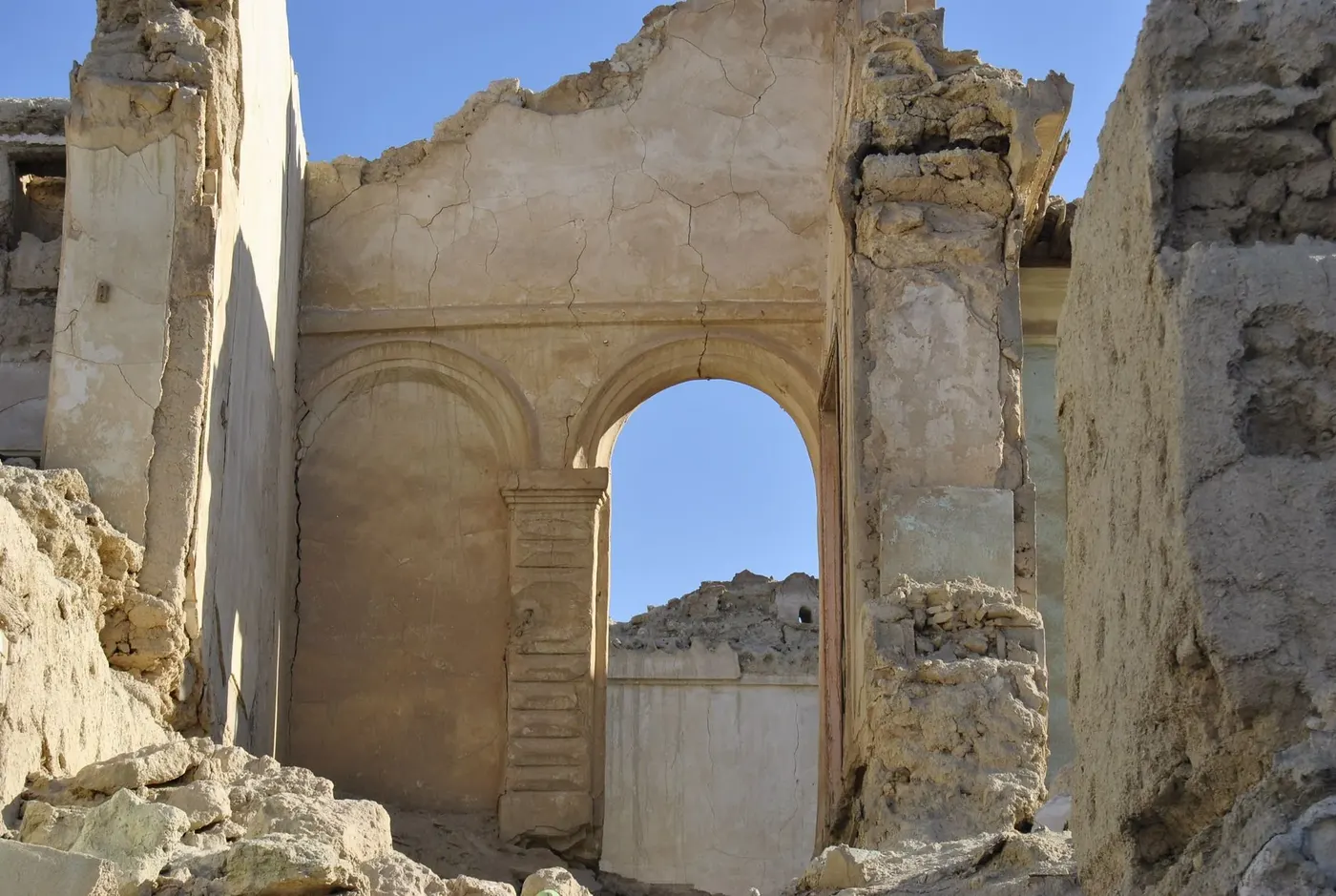
Photo by Abrahem on Pexels
🇸🇦 Saudi Arabia · Eastern Province
♨ Temperature
32°C
⛰ Altitude
120 m
⚗ pH
7.4
💧 TDS
680 mg/L
🌊 Flow rate
150 L/s (collective)
📅 Established
Over 6,000 years of continuous habitation
✓ Verified on 2026-07-22
Al-Ahsa, also written Al-Hasa, is a vast oasis in the Eastern Province of Saudi Arabia fed by a network of artesian springs that rise from the deep Umm er Radhuma aquifer — one of the world's largest fossil water systems. The oasis encompasses approximately 2.5 million date palms, traditional villages, historic fortresses, and a web of ancient irrigation channels (falaj) that distribute spring water across the landscape. The thermal springs — including Ain Umm Saba'ah and the historic Ain Al-Hammam (Spring of the Bath) — have been used for both irrigation and bathing since at least 3500 BC. Designated a UNESCO World Heritage Site in 2018, the Al-Ahsa Oasis is recognised as an outstanding cultural landscape that demonstrates six millennia of adaptive human settlement in an arid environment. The waters are warm (approximately 28–35°C) and mildly mineralised, historically associated in Arabian tradition with fertility and purification.
| Sodium | 145 mg/L |
| Chloride | 120 mg/L |
| Bicarbonate | 220 mg/L |
| Calcium | 42 mg/L |
| Magnesium | 18 mg/L |
Al-Ahsa Oasis was inscribed as a UNESCO World Heritage Site in 2018 for its outstanding cultural landscape representing 6,000 years of continuous human habitation in an arid environment. The site includes Jawatha Mosque — one of the oldest mosques in Islam — along with Neolithic settlements, Bronze Age burial mounds, Dilmun-period ruins, and Ottoman-era fortifications. The falaj water distribution system, a UNESCO intangible cultural heritage, represents one of the most sophisticated pre-modern hydraulic engineering traditions in the world.
In Arabian tradition, a spring — 'ayn' in Arabic — is not merely a water source but a living presence, a gift of the earth that determines where civilisations rise. Al-Ahsa's springs made possible some of Arabia's earliest urban settlements and its date palm industry, which remains central to regional identity. The Ain Al-Hammam spring historically served as a community bathing site, a function embedded in the Islamic tradition of ritual purification (ghusl) and the broader Bedouin value of hospitality around water.
The Umm er Radhuma aquifer that feeds Al-Ahsa's springs is a fossil aquifer — an ancient water deposit not actively recharged at scale — making sustainable management critical. Saudi Arabian heritage authorities and the Ministry of Water are implementing groundwater monitoring and demand reduction programmes. The UNESCO designation has elevated conservation awareness and funding for preserving both the springs and the traditional falaj irrigation network.
Websitewhc.unesco.org/en/list/1563
AddressAl-Ahsa, Eastern Province, Saudi Arabia