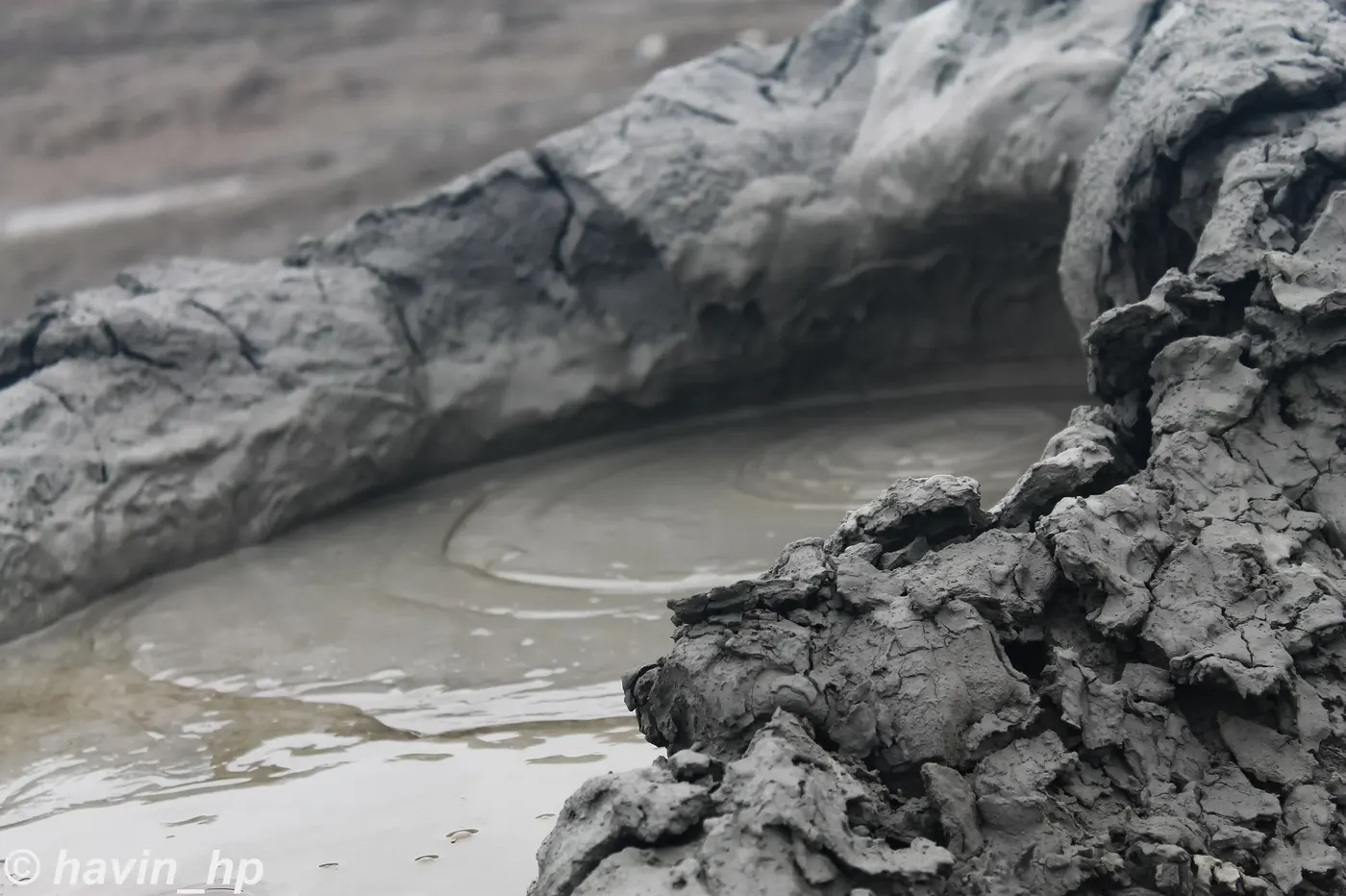
Manantiales / Gobustan Mud VolcanoesSprings / Gobustan Mud Volcanoes温泉・鉱泉 / Gobustan Mud Volcanoes
📅 Establecido
Active geological features; UNESCO Rock Art site since 2007
📅 Established
Active geological features; UNESCO Rock Art site since 2007
📅 開設
Active geological features; UNESCO Rock Art site since 2007
Mud VolcanoGeothermalNaturalUNESCO🏛 Patrimonio de la UNESCO🏛 UNESCO World Heritage🏛 世界遺産
✓ Verificado el 2026-07-22
✓ Verified on 2026-07-22
✓ 確認日 2026-07-22
Azerbaiyán es la capital mundial del vulcanismo de lodo: más de 400 de los estimados 700 volcanes de lodo del mundo se encuentran aquí. Los volcanes de lodo no son sistemas volcánicos convencionales — son impulsados por gas presurizado (principalmente metano) y agua que asciende desde formaciones petrolíferas profundas. La meseta de Gobustan, al suroeste de Bakú, concentra los más accesibles: conos que van desde pequeñas piscinas burbujeantes hasta conos de varios metros que periódicamente hacen erupción. Adyacente al campo de volcanes de lodo se encuentra el Paisaje Cultural de Arte Rupestre de Gobustan, Patrimonio de la Humanidad de la UNESCO, con más de 6.000 grabados rupestres que abarcan 40.000 años.
Azerbaijan is the global capital of mud volcanism: over 400 of the world's estimated 700 mud volcanoes are located here, making this small country one of the most geologically extraordinary places on Earth for subsurface fluid expression. Mud volcanoes are not the same as conventional volcanic systems — they are driven by pressurised gas (primarily methane) and water rising from deep petroleum-bearing formations, pushing a mixture of mud, water, and gas through fissures to the surface. The Gobustan plateau, southwest of Baku, concentrates the most accessible of these features: cones ranging from small bubbling pools to cones several metres high that periodically erupt, throwing mud tens of metres into the air. The mud itself — cool, grey, mineralised — has a consistency and sensory character entirely distinct from volcanic mud elsewhere in the world. Adjacent to the mud volcano field is the Gobustan Rock Art Cultural Landscape, a UNESCO World Heritage Site containing over 6,000 rock engravings spanning 40,000 years, from the Upper Palaeolithic to the medieval period, making Gobustan simultaneously one of the oldest and most active geological landscapes in the region.
Gobustan Mud Volcanoesはアゼルバイジャン・Gobustan, Absheron Peninsulaに位置する泥浴・地熱温泉。源泉温度は20℃の豊かな温泉水が湧き出る。泉水はアルカリ性(pH約7.8)の泉質、塩化ナトリウム泉・炭酸水素塩泉を豊富に含む、総溶解固形物4800 mg/Lが特徴だ。2007年創業。泥療法・地質学教育など多様な温浴療法が行われる。施設では泥火山観察・簡易泥パックなどが体験できる。
Minerales
Minerals
ミネラル
| Sodium Chloride | 1850 mg/L |
| Calcium | 320 mg/L |
| Magnesium | 165 mg/L |
| Bicarbonate | 480 mg/L |
| Methane (dissolved) | 12 mg/L |
Tratamientos
Treatments
トリートメント
Mud TherapyGeological Education
Técnicas
Techniques
技法
Mud volcano observationMud skin treatment (informal)
Patrimonio
El Paisaje Cultural del Arte Rupestre de Gobustán fue inscrito como Patrimonio de la Humanidad por la UNESCO en 2007, en reconocimiento a su extraordinaria colección de petroglifos prehistóricos: imágenes de humanos, animales, embarcaciones y símbolos que datan desde el Paleolítico Superior hasta la época medieval. El mismo paisaje que alberga estas imágenes de los primeros habitantes humanos del Cáucaso alberga también uno de los campos de volcanes de lodo más activos de la Tierra, una yuxtaposición de un tiempo humano profundo y un tiempo geológico profundo que es poco común en cualquier lugar del mundo.
Heritage
The Gobustan Rock Art Cultural Landscape was inscribed as a UNESCO World Heritage Site in 2007, recognised for its extraordinary collection of prehistoric petroglyphs — images of humans, animals, boats, and symbols dating from the Upper Palaeolithic to the medieval period. The same landscape that bears these images of the earliest human inhabitants of the Caucasus also expresses one of the Earth's most active mud volcano fields — a juxtaposition of deep human time and deep geological time that is rare anywhere in the world.
文化財
ゴブスタンの岩絵文化的景観は、後期旧石器時代から中世に至る、人間、動物、船、そしてさまざまな記号を描いた先史時代の岩絵の類まれなる集積が評価され、2007年にユネスコ世界遺産に登録された。コーカサス地方最古の人類の姿を刻むこの同じ土地は、地球上でも最も活発な泥火山群の一つをも呈しており、深い人類の時間と深い地質学的な時間とが並び立つという、世界でも稀有な光景を成している。
Cultura
Los volcanes de lodo de Gobustán forman parte de la identidad cultural azerbaiyana como testimonio de la extraordinaria riqueza geológica del país: las mismas formaciones ricas en petróleo que producen el lodo convirtieron también a Azerbaiyán, en el siglo XIX, en el primer país productor de petróleo moderno del mundo. La tradición local asoció los volcanes de lodo con la respiración de la tierra, con fenómenos sobrenaturales y con la generosidad y la violencia impredecibles del subsuelo. Los templos del fuego de Bakú y sus llamas eternas de gas natural extienden esta misma historia geológica a través de diferentes registros culturales.
Culture
The mud volcanoes of Gobustan are embedded in Azerbaijani cultural identity as evidence of the country's extraordinary geological wealth — the same petroleum-bearing formations that produce the mud also made Azerbaijan the world's first modern oil-producing country in the 19th century. Local tradition associated the mud volcanoes with the earth's breathing, with supernatural phenomena, and with the unpredictable generosity and violence of the subsurface. Baku's fire temples and eternal natural gas flames extend the same geological story across different cultural registers.
文化
ゴブスタンの泥火山は、アゼルバイジャンの並外れた地質学的な富の証として、この国の文化的アイデンティティに深く組み込まれている——泥を生み出すのと同じ石油を含む地層が、19世紀にアゼルバイジャンを世界初の近代的産油国たらしめたのである。地元の伝承では、泥火山は大地の呼吸、超自然的な現象、そして地下に潜む予測不能な寛容さと激しさの表れと結びつけられてきた。バクーの拝火神殿と消えることのない天然ガスの炎は、同じ地質学的な物語を、異なる文化的文脈の中で語り継いでいる。
Sostenibilidad
El Parque Nacional de Gobustán protege tanto el arte rupestre como el campo de volcanes de lodo bajo la Ley de Áreas Naturales Especialmente Protegidas de Azerbaiyán. Los volcanes de lodo son fenómenos completamente naturales y no requieren ninguna intervención de gestión: se regulan por sí mismos a través de los ciclos de presión del sistema petrolífero subyacente. El principal desafío de conservación consiste en proteger los grabados rupestres de la erosión y del creciente tránsito peatonal derivado del turismo cultural.
Sustainability
Gobustan National Park protects both the rock art and the mud volcano field under Azerbaijan's Law on Special Protected Natural Areas. The mud volcanoes are entirely natural phenomena and require no management intervention — they regulate themselves through the pressure cycles of the underlying petroleum system. The main conservation challenge is protecting the rock art engravings from weathering and from the increasing foot traffic of cultural tourism.
持続可能性
ゴブスタン国立公園は、アゼルバイジャンの特別保護自然地域法のもとで、岩絵と泥火山地帯の両方を保護している。泥火山は完全に自然な現象であり、管理上の介入を必要としない——地下の石油システムの圧力サイクルによって自律的に調整されているのである。保全上の主な課題は、風化や文化観光による人の往来の増加から岩絵の彫刻を守ることである。
Otros manantiales en Azerbaijan
Other springs in Azerbaijan