Manantiales / Cavascura Thermal BathsSprings / Cavascura Thermal Baths温泉・鉱泉 / Cavascura Thermal Baths
📅 Establecido
Greek colonization period; major development in Roman era
📅 Established
Greek colonization period; major development in Roman era
📅 開設
Greek colonization period; major development in Roman era
Chlorinated (Sodium Chloride)BicarbonatedRadioactive/Radium
✓ Verificado el 2026-07-28
✓ Verified on 2026-07-28
✓ 確認日 2026-07-28
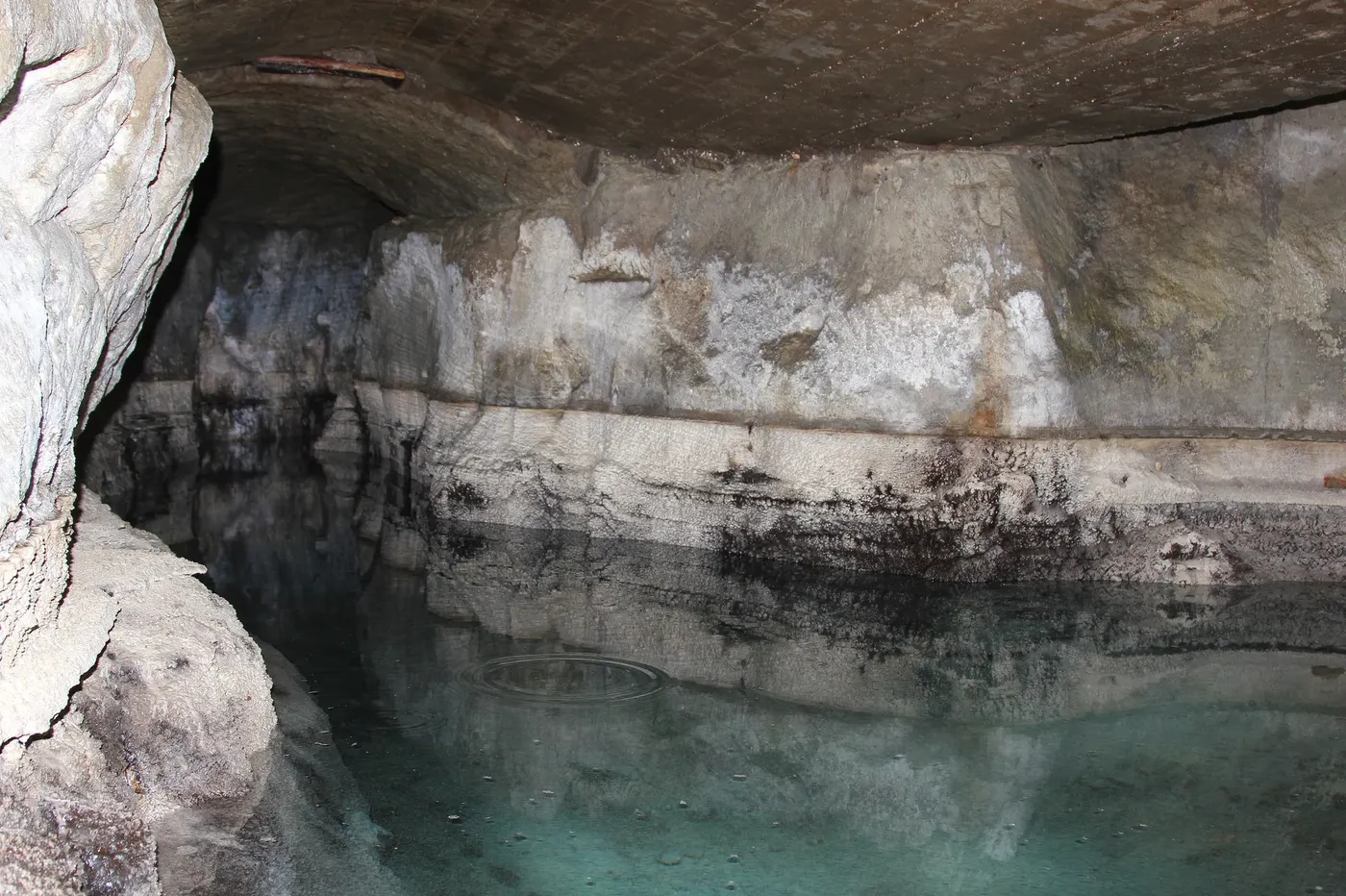
Los baños termales de Cavascura ocupan un valle de cuevas naturales cerca de la playa de Maronti, en la isla de Ischia, a los que se accede a pie siguiendo un arroyo de agua caliente. El uso del lugar se remonta a la colonización griega de Ischia, mencionado en los escritos de Píndaro, Homero, Estrabón y Plinio; en época romana, Cicerón escribió sobre el 'agua hirviendo' del valle. La nobleza angevina medieval utilizó los baños, y en el periodo aragonés se dice que el propio rey Alfonso probó las aguas e hizo construir cuevas adicionales. El tratado de 1519 del médico Giovanni Elisio, 'Succinta instauratio de Balneis', atrajo a visitantes procedentes de Nápoles. El agua es hipertermal, a 83°C en el manantial, con un pH medido de 7,58, y se clasifica como salina-bromo-yodurada-bicarbonatada-alcalina.
The Cavascura thermal baths occupy a valley of natural caves near Maronti Beach on the island of Ischia, reached on foot along a rivulet of hot water. The site's use dates to Greek colonization of Ischia, referenced in the writings of Pindar, Homer, Strabo, and Pliny; in the Roman period Cicero wrote of the valley's 'boiling water.' Medieval Angevin nobility used the baths, and in the Aragonese period King Alfonso reportedly tested the waters himself and had additional caves built. Physician Giovanni Elisio's 1519 treatise 'Succinta instauratio de Balneis' drew visitors from Naples. The water is hyperthermal at 83°C at source, with a measured pH of 7.58, and is classified as salt-bromine-iodide-bicarbonate-alkaline.
カヴァスクーラ温泉は、イスキア島のマロンティ・ビーチ近くの渓谷に位置する天然洞窟群で、熱い湯の小川沿いを歩いて到達する。この場所の利用はギリシャによるイスキア植民地化の時代に遡り、ピンダロス、ホメロス、ストラボン、プリニウスの著作にも記述がある。ローマ時代にはキケロがこの渓谷の「沸騰する湯」について記している。中世にはアンジュー家の貴族がこの浴場を利用し、アラゴン時代にはアルフォンソ王自らが湯を試し、追加の洞窟を掘らせたと伝えられる。医師ジョヴァンニ・エリジオが1519年に著した論文『Succinta instauratio de Balneis』により、ナポリから多くの人々が訪れるようになった。湯は源泉で83℃の高温で、pHは7.58と測定されており、塩化物・臭素・ヨウ化物・重炭酸塩・アルカリ性泉に分類される。
Técnicas
Techniques
技法
Bathing
Patrimonio
El nombre Cavascura deriva del griego 'causos' y 'coure', que significan 'calor extremo'. El lugar cuenta con una historia documentada continua desde la antigüedad griega hasta los periodos romano, angevino y aragonés, incluida una visita del rey Alfonso de Aragón, quien hizo excavar cuevas adicionales tras probar personalmente las aguas.
Heritage
Cavascura's name derives from the Greek 'causos' and 'coure,' meaning 'extreme heat.' The site has a continuous documented history from Greek antiquity through the Roman, Angevin, and Aragonese periods, including a visit by King Alfonso of Aragon, who had additional caves excavated after testing the waters himself.
文化財
カヴァスクーラという名称は、ギリシャ語の「カウソス」と「クーレ」に由来し、「極度の熱」を意味する。この場所には、ギリシャ古代からローマ、アンジュー、アラゴンの各時代にわたる連続した記録があり、アラゴンのアルフォンソ王が自ら湯を試した後に追加の洞窟を掘らせたという逸話も残る。
Cultura
El tratado de 1519 del médico Giovanni Elisio sobre los baños atrajo a visitantes de Nápoles, y los relatos medievales describen a la nobleza angevina y a pacientes heridos en la guerra buscando tratamiento en las cuevas, un ejemplo temprano de turismo médico en el lugar.
Culture
Physician Giovanni Elisio's 1519 treatise on the baths drew visitors from Naples, and medieval accounts describe Angevin nobility and war-wounded patients seeking treatment in the caves — an early example of medical tourism to the site.
文化
医師ジョヴァンニ・エリジオが1519年に著した浴場に関する論文はナポリから訪問者を引き寄せ、中世の記録にはアンジュー家の貴族や戦傷を負った患者たちが洞窟で治療を求めた様子が描かれている。これはこの地における初期の医療観光の一例といえる。
Otros manantiales en Italy