Manantiales / Dandar Thermal BathSprings / Dandar Thermal Bath温泉・鉱泉 / Dandar Thermal Bath
📅 Establecido
Built 1928-1929 and opened in 1930 as a 'népfürdő' (public hygiene bath) in Art Deco/Expressionist style, designed by Kálmán Maróthy (developing preliminary sketches attributed to Ferenc Császár); operated as a public hygiene bath until 1971; renovated and reopened as a certified medicinal bath in 1978 using a new thermal source from Közraktár utca
📅 Established
Built 1928-1929 and opened in 1930 as a 'népfürdő' (public hygiene bath) in Art Deco/Expressionist style, designed by Kálmán Maróthy (developing preliminary sketches attributed to Ferenc Császár); operated as a public hygiene bath until 1971; renovated and reopened as a certified medicinal bath in 1978 using a new thermal source from Közraktár utca
📅 開設
Built 1928-1929 and opened in 1930 as a 'népfürdő' (public hygiene bath) in Art Deco/Expressionist style, designed by Kálmán Maróthy (developing preliminary sketches attributed to Ferenc Császár); operated as a public hygiene bath until 1971; renovated and reopened as a certified medicinal bath in 1978 using a new thermal source from Közraktár utca
BicarbonatedSulphatedCalcium/Magnesium-rich
✓ Verificado el 2026-07-28
✓ Verified on 2026-07-28
✓ 確認日 2026-07-28
Dandár Gyógyfürdő es un balneario histórico en el distrito IX de Budapest (Ferencváros), construido en 1928-1929 e inaugurado en 1930 como 'népfürdő' (baño popular de higiene) pensado para dar a los residentes de clase trabajadora sin baño en casa un lugar donde asearse. Diseñado en estilo art déco/expresionista, funcionó únicamente como instalación de higiene pública hasta 1971. Tras una renovación, reabrió en 1978 como balneario termal medicinal certificado, alimentado por un nuevo pozo cercano a la calle Közraktár, con un agua descrita como rica en sodio, de carácter bicarbonatado cálcico-magnésico, con sulfatos, cloruros y un contenido notablemente alto de flúor, de calidad comparable a la del balneario Gellért de Budapest.
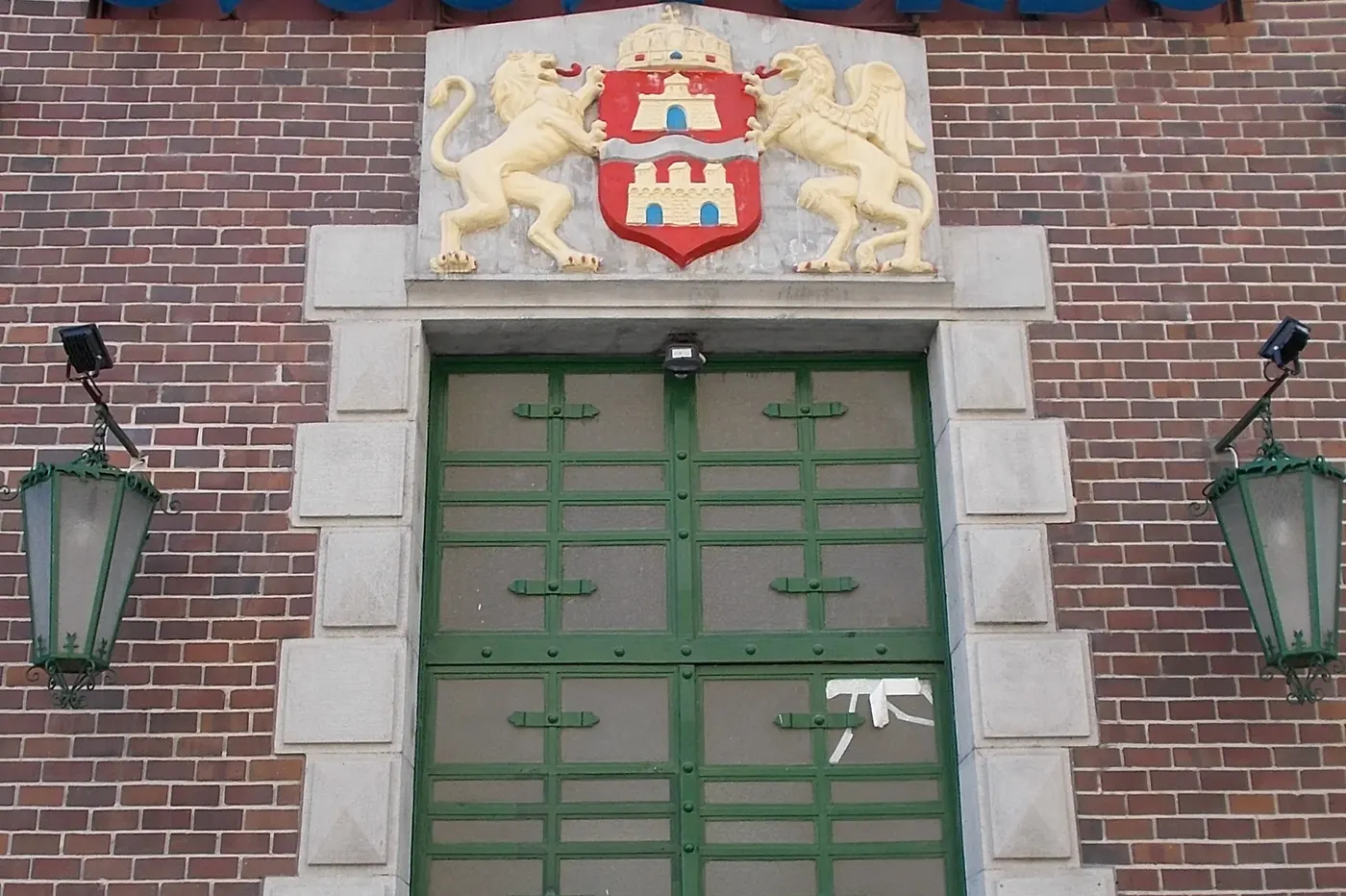
Dandár Gyógyfürdő is a historic bath in Budapest's IX district (Ferencváros), built in 1928-1929 and opened in 1930 as a 'népfürdő' (people's/public hygiene bath) intended to give working-class residents lacking home bathrooms a place to wash. Designed in an Art Deco/Expressionist style, it functioned purely as a public hygiene facility until 1971. Following renovation, it reopened in 1978 as a certified medicinal thermal bath drawing on a new well from nearby Közraktár utca, with water described as sodium-rich, calcium-magnesium bicarbonate in character with sulfates, chlorides, and a notably high fluoride content, comparable in quality to the water at Budapest's Gellért Baths.
ダンダール・ジョジフュルドー(Dandár Gyógyfürdő)は、ブダペスト第9区(フェレンツヴァーロシュ)にある歴史的な浴場で、1928〜1929年に建設され、1930年に「ネープフュルドー」(庶民のための公衆衛生浴場)として開業した。自宅に浴室を持たない労働者階級の住民に入浴の場を提供する目的で建てられた。アール・デコ/表現主義様式で設計され、1971年までは純粋な公衆衛生施設として機能していた。改修工事を経て、1978年に近隣のケズラクタール通りの新しい源泉を利用した認定医療用温泉として再開業した。水質はナトリウムを多く含み、カルシウム・マグネシウム重炭酸泉の性質を持ち、硫酸塩、塩化物、そして特筆すべき高いフッ素含有量を含み、ブダペストのゲッレールト温泉に匹敵する水質とされる。
Técnicas
Techniques
技法
Bathing
Otros manantiales en Hungary