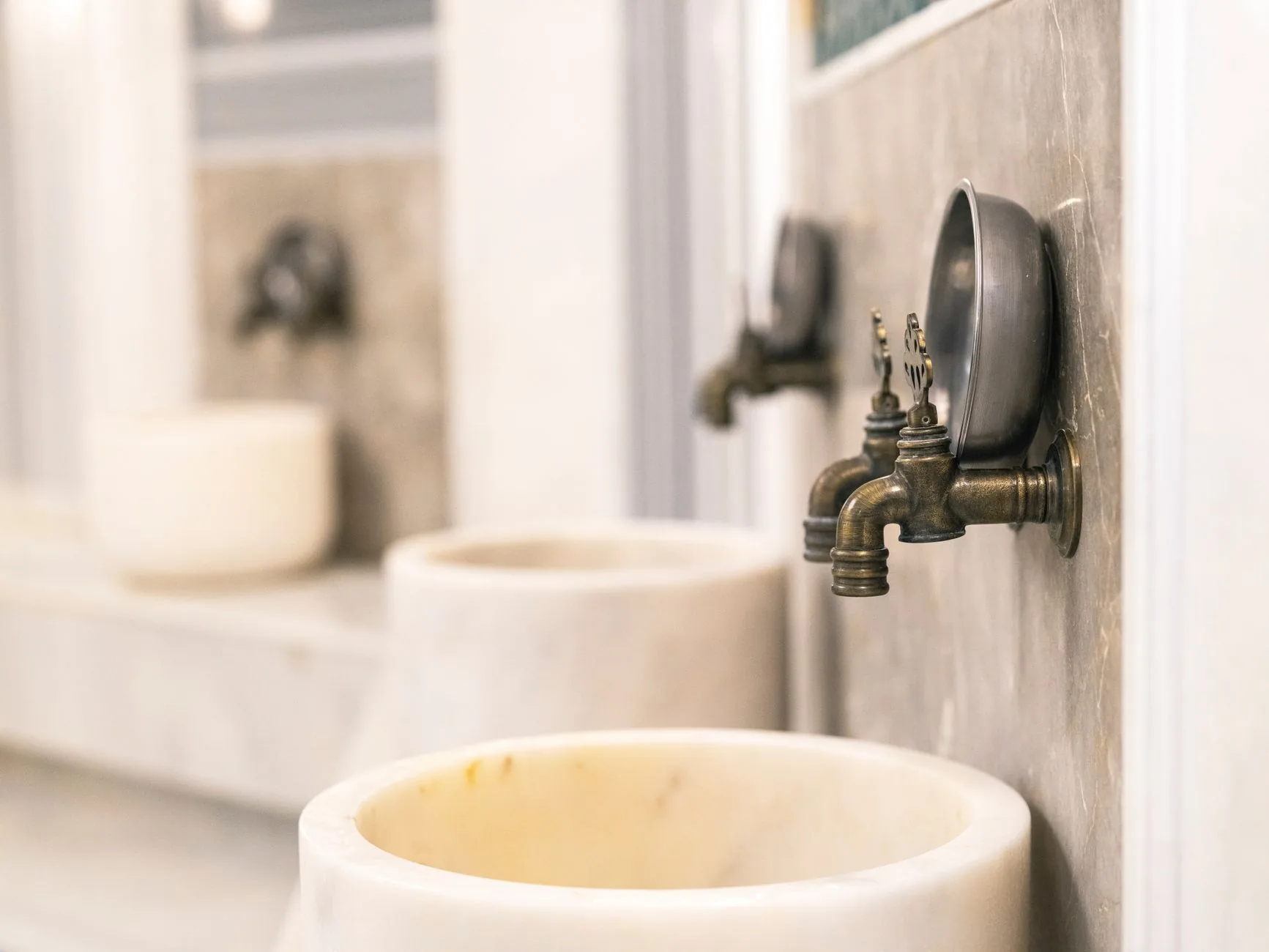
Photo by Engin Akyurt on Pexels
🇹🇷 Turkey · Nationwide — Ottoman Empire heritage
Photo by Engin Akyurt on Pexels
🇹🇷 Turkey · Nationwide — Ottoman Empire heritage
♨ Temperature
43°C
⛰ Altitude
0 m
⚗ pH
7
💧 TDS
0 mg/L
🌊 Flow rate
N/A (cultural entry)
📅 Established
Developed from Roman and Byzantine balneum; major expansion under Ottoman Sultans from 14th century
✓ Verified on 2026-07-22
The hammam (Turkish: hamam) is one of the most influential bathing traditions in the world, both for the architectural form it developed and for the social role it played across the Ottoman Empire and the broader Islamic world. The hammam's origin lies in the Roman balneum tradition — the Byzantines maintained public bathhouses in Constantinople — but the Ottoman refinement of the form created something architecturally and culturally distinct: a sequence of rooms at increasing temperatures, domed ceilings pierced by star-shaped light apertures, marble platforms (göbek taşı) for body washing and massage, and a cold room (soğukluk) for recovery and socializing. The classic hammam sequence involves undressing and resting in the warm room (ılıklık), entering the hot room (hararet) for sweating on the marble platform, receiving a vigorous scrub with a kese (exfoliation mitt) that removes layers of dead skin, a soap foam massage, and finally returning to the cool room for tea and rest. Istanbul alone contains over 60 historic Ottoman-era hammams, the most celebrated being the Çemberlitaş Hamamı (1584, designed by Mimar Sinan), the Cağaloğlu Hamamı (1741), and the Ayasofya Hürrem Sultan Hamamı (1556).
| Steam bath — no mineral soaking | 0 mg/L |
The hammam tradition spread across the full extent of the Ottoman Empire — from the Balkans to the Arabian Peninsula — and beyond into Morocco, Iran, and Central Asia, adapting to local materials and customs while maintaining the essential architectural and ritual sequence. In Istanbul, the great imperial hammams were designed by the imperial architect Mimar Sinan alongside mosques and palaces as part of a unified conception of Ottoman urban civilization. The Çemberlitaş Hamamı, built in 1584 on the orders of Nurbanu Sultan, is the oldest continuously operating hammam in Istanbul and one of the finest examples of classical Ottoman architecture.
The hammam served not only hygienic but deeply social functions in Ottoman society: it was the primary venue for women's socialization in a society that otherwise severely restricted women's public presence. Bridal hammam ceremonies (gelin hamamı), circumcision celebration baths, and post-childbirth purification baths were central life events conducted in the hammam. The profession of the tellak (male bath attendant) and natır (female attendant) was a respected trade with its own guild structures. The hammam appears throughout Ottoman and Turkish literature as a site of revelation, romance, political intrigue, and social commentary.
Historic Ottoman hammams were heated by wood fires beneath the marble floor system (hypocaust), a technology adapted from Roman underfloor heating. Many contemporary Turkish hammams have converted to gas or electric heating while maintaining the original marble infrastructure. The UNESCO Creative Cities Network has recognized Istanbul's intangible hammam heritage within its broader cultural heritage framework.
Websitewww.goturkeytourism.com
AddressThroughout Turkey — major historic hammams in Istanbul, Bursa, Edirne