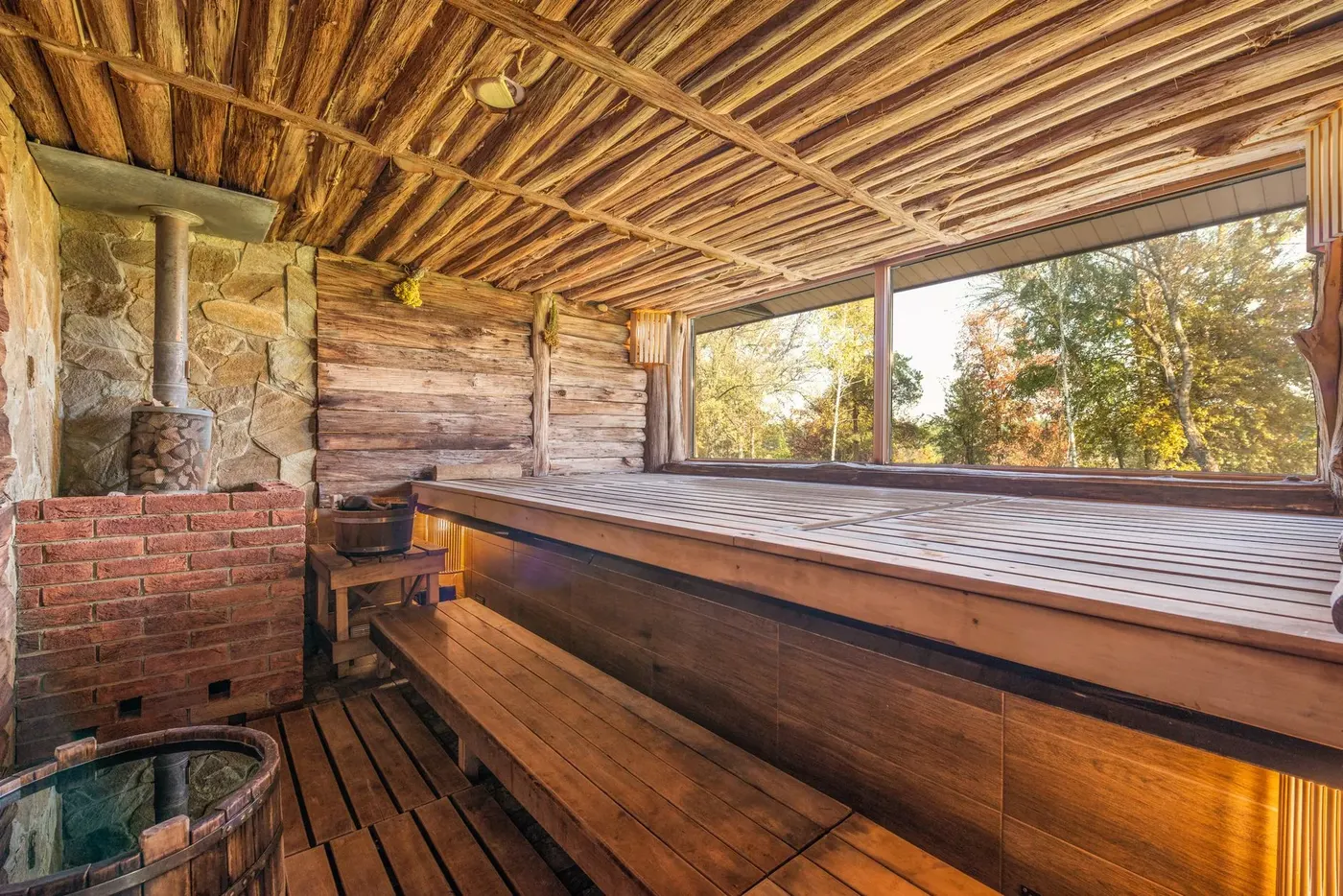
Sandunovskiye Banya

🇷🇺 Russia · Moscow, Tverskoy District

Sandunovskiye Banya

Manantiales / Sandunovskiye BanyaSprings / Sandunovskiye Banya温泉・鉱泉 / Sandunovskiye Banya

♨ Temperatura

65°C

⛰ Altitud

156 m

⚗ pH

7

💧 TDS

0 mg/L

🌊 Caudal

N/A (steam bath)

📅 Establecido

1808

♨ Temperature

65°C

⛰ Altitude

156 m

⚗ pH

7

💧 TDS

0 mg/L

🌊 Flow rate

N/A (steam bath)

📅 Established

1808

♨ 温度

65°C

⛰ 標高

156 m

⚗ pH

7

💧 TDS

0 mg/L

🌊 流量

N/A (steam bath)

📅 開設

1808

BanyaSteam BathHistoric

✓ Verificado el 2026-07-22

✓ Verified on 2026-07-22

✓ 確認日 2026-07-22

Los Baños Sandunovsky en la calle Neglinnaya de Moscú son el banya público más famoso de Rusia, en operación continua desde 1808. El edificio actual, un espectacular complejo de estilo Imperio Ruso y Art Nouveau construido en 1895, cuenta con techos abovedados, piscinas de mármol, cuartos de vapor de madera tallada y herrajes de bronce. Pushkin, Chejov y Tolstói frecuentaron estos baños. El banya ruso opera con parilka (cuarto de vapor), venik (ramas de abedul) y inmersiones en agua fría.

The Sandunovsky Baths on Neglinnaya Street in Moscow's Tverskoy district are the most famous public banya in Russia, in continuous operation since 1808. The current building — a spectacular complex of interconnected halls in Russian Empire and Art Nouveau style — was constructed in 1895 by the architect Boris Freudenberg, funded by the actor Sila Sandunov and his wife, the opera singer Elizaveta Uranova. The interiors are extraordinary: vaulted ceilings, marble pools, carved wood steam rooms with tiered benches, brass fixtures, and ornate tilework that reflects the ambitions of 19th-century Russian luxury. The banya (Russian steam bath) operates on different principles from the Scandinavian sauna: the parilka (steam room) uses venik (bundles of birch, oak, or eucalyptus branches) to beat the body in a sequence of flagellation, heat, and cold — considered a fundamental health practice in Russian culture. Sandunovskiye has hosted figures from Pushkin to Chekhov to Stalin. Separate sections exist for men and women, with several tiers of accommodation ranging from basic to luxurious.

Sandunovskiye Banyaはロシア・Moscow, Tverskoy Districtに位置する鉱泉。源泉温度は65℃の豊かな温泉水が湧き出る。泉水は中性に近い(pH約7.0)の泉質、蒸気浴 — ミネラルウォーター入浴なしを豊富に含むが特徴だ。1808年創業。循環器系・皮膚・呼吸器療法など多様な温浴療法が行われる。施設ではパリールカ(蒸し風呂)・ヴェニク(白樺の枝)叩き・水風呂などが体験できる。

Minerales

Minerals

ミネラル

Steam bath — no mineral water soaking0 mg/L

Tratamientos

Treatments

トリートメント

CirculatorySkinRespiratoryDetoxMuscular

Técnicas

Techniques

技法

Parilka (steam room)Venik (birch branch) beatingCold plungeRest room recovery

Patrimonio

La banya rusa es una de las tradiciones de baño más antiguas de Europa que se mantiene ininterrumpida, documentada en la Crónica de Néstor (Povest Vremennykh Let, siglo XII) y central en la vida social, médica y espiritual rusa durante más de mil años. En la Rusia preindustrial, la banya funcionaba simultáneamente como casa de baños, hospital y lugar de reunión comunitaria. La expresión 'v bane mogu vsyo lechiit' (en la banya se puede curar todo) refleja la profunda fe cultural en el poder terapéutico del vapor y del tratamiento con 'venik' (manojo de ramas).

Heritage

The Russian banya is one of the oldest continuous bathing traditions in Europe, documented in the Primary Chronicle (Povest Vremennykh Let, 12th century) and central to Russian social, medical, and spiritual life for over a thousand years. The banya served simultaneously as bathhouse, hospital, and community meeting place in pre-industrial Russia. The phrase 'v bane mogu vsyo lechiit' (in the banya you can cure everything) reflects deep cultural faith in the therapeutic power of steam and venik treatment.

文化財

ロシアのバーニャは、ヨーロッパで最も古くから途切れることなく続く入浴の伝統の一つであり、『原初年代記』(『過ぎし年月の物語』、12世紀)に記録され、千年以上にわたってロシアの社会生活、医療、精神生活の中心を成してきた。産業化以前のロシアにおいて、バーニャは浴場であると同時に、病院であり、地域社会の集会所でもあった。「バーニャの中ではあらゆる病が治せる」という言葉は、蒸気とヴェニク(白樺の枝束)によるトリートメントの治癒力に対する、この文化に深く根ざした信頼を反映している。

Cultura

Alexander Pushkin, Antón Chéjov, León Tolstói y muchas otras figuras de la vida cultural rusa fueron asiduos de los Baños Sandunovsky. La banya es el escenario de escenas significativas en la obra narrativa de Dostoyevski y aparece a lo largo del arte ruso del siglo XIX como símbolo del cuerpo social: un lugar donde la jerarquía social se disolvía temporalmente en el vapor. Chéjov elogió específicamente los Sanduny como 'los mejores baños de Moscú'. La tradición de la banya continúa en la Rusia contemporánea como una institución social predominantemente masculina, aunque el Sandunovsky cuenta con secciones mixtas.

Culture

Alexander Pushkin, Anton Chekhov, Leo Tolstoy, and countless other figures of Russian cultural life were habitués of the Sandunovsky Baths. The banya is the setting for significant scenes in Dostoevsky's fiction and appears throughout 19th-century Russian art as a symbol of the body politic — a place where social hierarchy temporarily dissolved in the steam. Chekhov specifically praised the Sanduny as 'the best baths in Moscow.' The tradition of the banya continues in contemporary Russia as a primarily masculine social institution, though Sandunovsky has mixed-gender sections.

文化

アレクサンドル・プーシキン、アントン・チェーホフ、レフ・トルストイをはじめ、数え切れないほどのロシア文化界の人物たちが、サンドゥノフスキー浴場の常連であった。バーニャはドストエフスキーの小説における重要な場面の舞台であり、19世紀ロシア美術全体において、社会の縮図としての象徴―蒸気の中で一時的に社会的階層が溶け去る場所―として登場する。チェーホフは特に、サンドゥヌイを「モスクワ最高の浴場」と称賛した。バーニャの伝統は現代ロシアにおいても、主に男性の社交制度として続いているが、サンドゥノフスキーには男女混合のセクションもある。

Sostenibilidad

El complejo Sandunovsky se ha calentado desde principios del siglo XX mediante una combinación de generación de vapor con leña y el suministro municipal de agua caliente. El edificio es un monumento histórico protegido de la Federación Rusa y ha sido objeto de varias restauraciones cuidadosas que han preservado los interiores originales de 1895.

Sustainability

The Sandunovsky complex has been heated since the early 20th century using a combination of wood-fired steam generation and municipal hot water supply. The building is a protected historical monument of the Russian Federation and has undergone several careful restorations preserving the original 1895 interiors.

持続可能性

サンドゥノフスキー複合施設は、20世紀初頭以来、薪による蒸気発生と市の温水供給を組み合わせて暖められてきた。この建物はロシア連邦の保護史跡に指定されており、1895年当時の内装を保存する形で、これまで幾度も慎重な修復が行われてきた。

Contacto

Teléfono+7 495 628-46-31

Sitio webwww.sanduny.ru

DirecciónNeglinnaya Ulitsa 14, Moscow 107031, Russia

Contact

Phone+7 495 628-46-31

Websitewww.sanduny.ru

AddressNeglinnaya Ulitsa 14, Moscow 107031, Russia

連絡先

電話+7 495 628-46-31

ウェブサイトwww.sanduny.ru

住所Neglinnaya Ulitsa 14, Moscow 107031, Russia

← Volver al directorio completo Ver en el mapa interactivo← Back to the full directory View on the interactive map← ディレクトリ全体に戻る インタラクティブマップで見る