Photo by Jassonfoto, via Wikimedia Commons (CC BY-SA 4.0)
🇲🇽 Mexico · Oaxaca & Central Mexico
Photo by Jassonfoto, via Wikimedia Commons (CC BY-SA 4.0)
🇲🇽 Mexico · Oaxaca & Central Mexico
♨ Temperature
55°C
⛰ Altitude
1500 m
⚗ pH
7
💧 TDS
0 mg/L
🌊 Flow rate
N/A
📅 Established
Pre-Columbian (2,000+ years)
✓ Verified on 2026-07-22
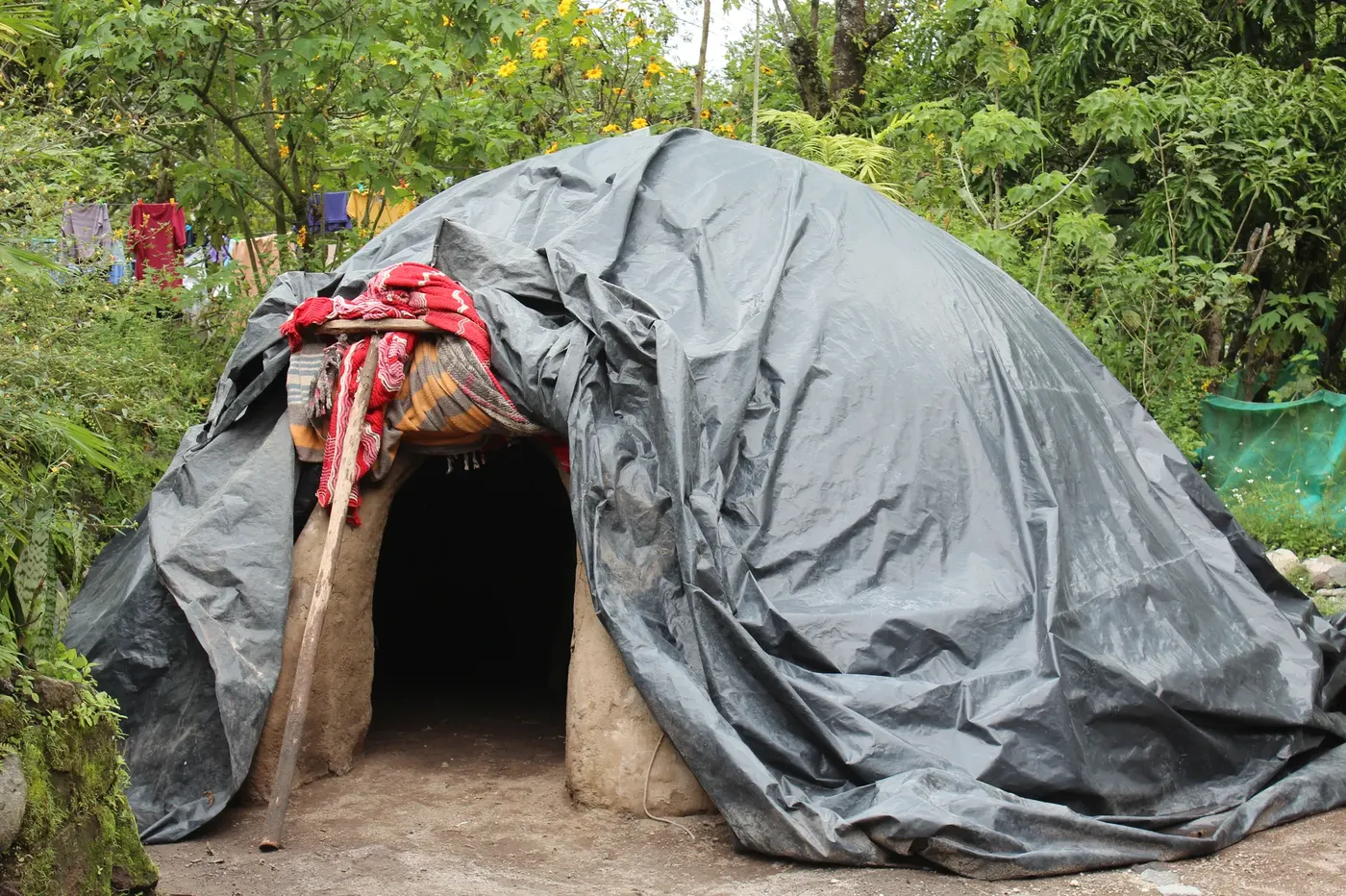
The temazcal is one of the oldest continuous bathing traditions in the Americas — a low, dome-shaped structure of stone, adobe, or volcanic rock in which heated volcanic stones (tezontli) are placed at the centre to generate intense steam when water infused with medicinal herbs is poured over them. The word comes from Nahuatl: 'temaz' (steam bath) and 'calli' (house). In traditional communities across Oaxaca, Puebla, and Morelos, the temazcal continues to be used as a ceremonial and cleansing space, presided over by a temascalero or guide who leads participants through the ritual with prayers, songs, and the careful management of heat. Modern versions range from archaeological sites with original pre-Columbian structures to living community traditions in indigenous villages.
| Copal smoke | 0 mg/L |
| Rue (ruda) | 0 mg/L |
| Rosemary | 0 mg/L |
| Eucalyptus | 0 mg/L |
Temazcal structures appear at major archaeological sites across Mesoamerica including Teotihuacán, Monte Albán, and Tlatelolco, where a well-preserved pre-Columbian temazcal can still be seen. The tradition survived the Spanish colonial period because it was integrated into local Catholic feast-day practices and maintained by indigenous communities despite prohibitions from colonial authorities.
Traditional temazcal ceremonies are led by community knowledge holders (temascaleros) in indigenous villages across Oaxaca, Morelos, and Puebla. Many hotels and spas also offer commercial temazcal experiences of varying authenticity. AquaFonte describes the traditional community practice. When seeking a temazcal, look for community-managed or indigenous-led ceremonies rather than hotel spa versions, which may not reflect the original cultural context.
Community-managed temazcal traditions in Oaxaca are inherently sustainable — small structures, locally harvested herbs, and wood-fired volcanic stones with no infrastructure beyond the dome itself. The challenge of sustainability is cultural: maintaining the tradition's ceremonial integrity as commercial demand for temazcal experiences grows.