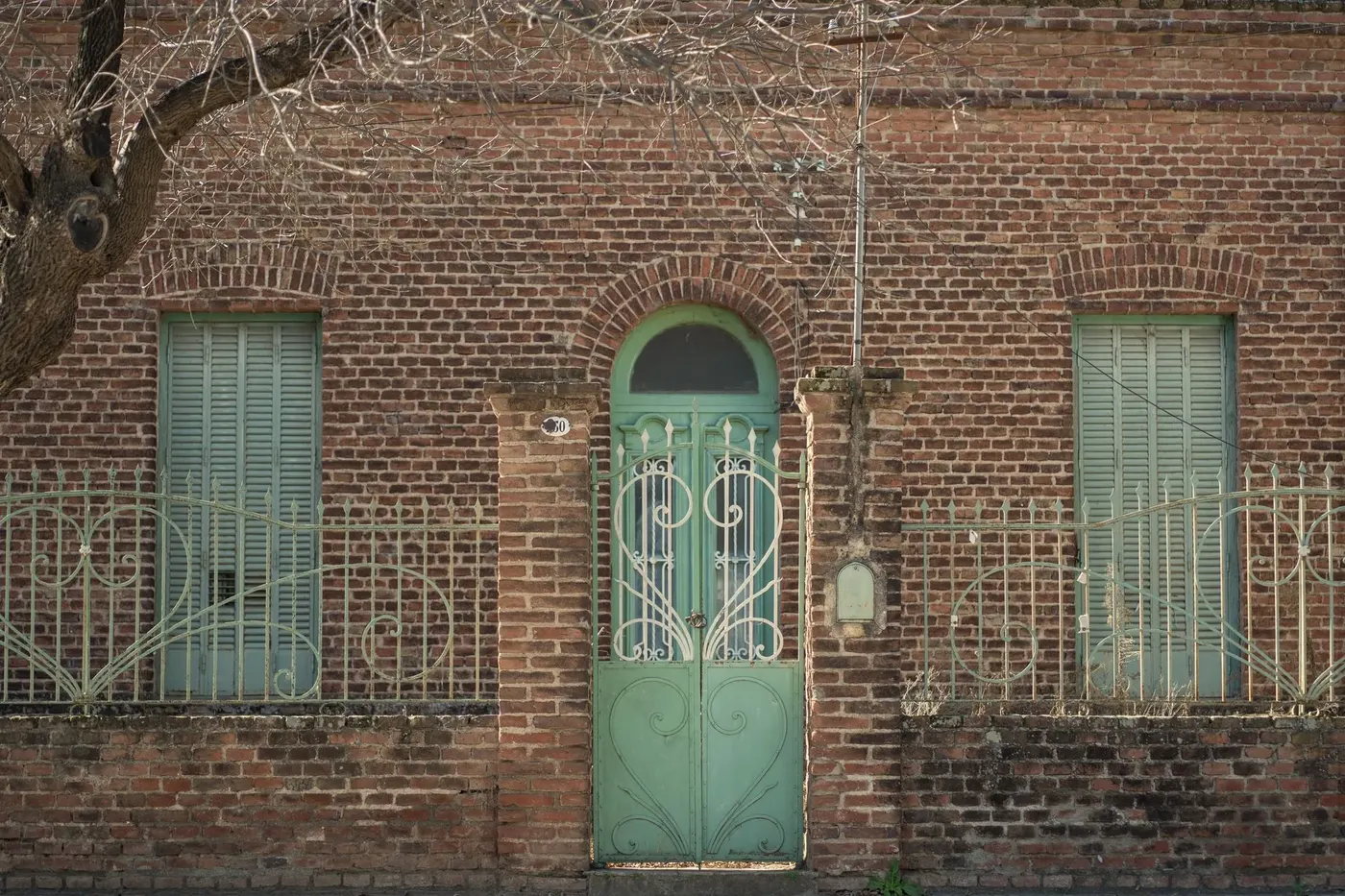
Photo by Tomás Asurmendi on Pexels
🇵🇾 Paraguay · Ñeembucú Department
♨ Temperature
42°C
⛰ Altitude
60 m
⚗ pH
7.3
💧 TDS
640 mg/L
🌊 Flow rate
—
📅 Established
Resort facilities developed 1990s
✓ Verified on 2026-07-22
Termas de Villa Oliva are in the Ñeembucú Department of southern Paraguay, in the broad floodplain where the Paraguay River approaches its confluence with the Paraná. The thermal waters rise from deep artesian wells tapping the Triassic sandstone aquifer shared with the Pantanal basin of Brazil. Water temperatures at surface reach approximately 40–44°C with moderate sodium bicarbonate mineralisation. The setting is the subtropical wetland landscape of the Ñeembucú — flat, vast, crossed by slow rivers and seasonal floodwaters, dotted with cattle estancias, quebracho forests, and extraordinary birdlife. The thermal resort at Villa Oliva is the most developed thermal facility in Paraguay, drawing visitors primarily from Asunción and from across the Argentine border. The Guaraní culture that shaped this region for millennia before European contact remains alive in the language, the food, and the relationship with the landscape that surrounds the springs.
| Sodium Bicarbonate | 280 mg/L |
| Sodium Chloride | 145 mg/L |
| Calcium | 38 mg/L |
| Magnesium | 22 mg/L |
| Silica | 18 mg/L |
The Ñeembucú Department preserves one of South America's most intact subtropical wetland landscapes — a seasonally flooded system of river channels, lagoons, and gallery forests. The Guaraní people, who inhabited this region for millennia before Spanish contact, developed profound knowledge of the Paraná Basin's waterways. The thermal springs of Villa Oliva lie at the hydrological heart of this ancient landscape, their warmth a geological expression of the deep Mesozoic sedimentary basin underlying all of it.
Paraguay's thermal culture is intimate and family-centred, reflecting the country's predominantly rural character. Villa Oliva's termas serve as a regional gathering point: estanciero families, Asunción professionals, and visitors from Argentina who cross the river at Pilar. The Guaraní language is still widely spoken in Ñeembucú — the word for water, 'y', short and liquid, appears in dozens of local place names — a reminder of how central water has always been to this landscape and its people.
The artesian wells at Villa Oliva tap a Triassic sandstone aquifer shared with the Brazilian Pantanal, requiring careful management given extraction volumes across the full basin. The surrounding Ñeembucú wetlands are recognised for hemispheric importance for migratory birds and are partially protected under the Ramsar Convention on Wetlands.
Websitewww.senatur.gov.py
AddressVilla Oliva, Ñeembucú, Paraguay